
Exposiciones Contemporáneo
Montañas y pliegues. Observaciones a partir de una botella Moche.
Publicado el: 23/09/2025
- Fecha: 23/09/2025
- Hora: 10:00
- Lugar: Sala 3 del primer piso del Museo de Arte de Lima – MALI
MONTAÑAS Y PLIEGUES. OBSERVACIONES A PARTIR DE UNA BOTELLA MOCHE propone una reflexión en torno a las formas que modelamos para representarnos el mundo, así como los mecanismos con que damos sentido a los objetos que construimos. La exposición reúne más de setenta objetos que enfatizan la representación del territorio, los trayectos emprendidos sobre él y las huellas que dejamos en su superficie bajo el aspecto de arquitecturas fabricadas para cobijarnos. Las instalaciones, pinturas, fotografías, maquetas, esculturas, planos y documentos de archivo expuestos abordan el territorio de modo general y abstracto, cuando no lo hacen como intentos específicos de capturar el Perú. Todas las piezas se comunican, de algún modo, con una botella negra de asa estribo que ha sido el detonante de nuestros cuestionamientos.
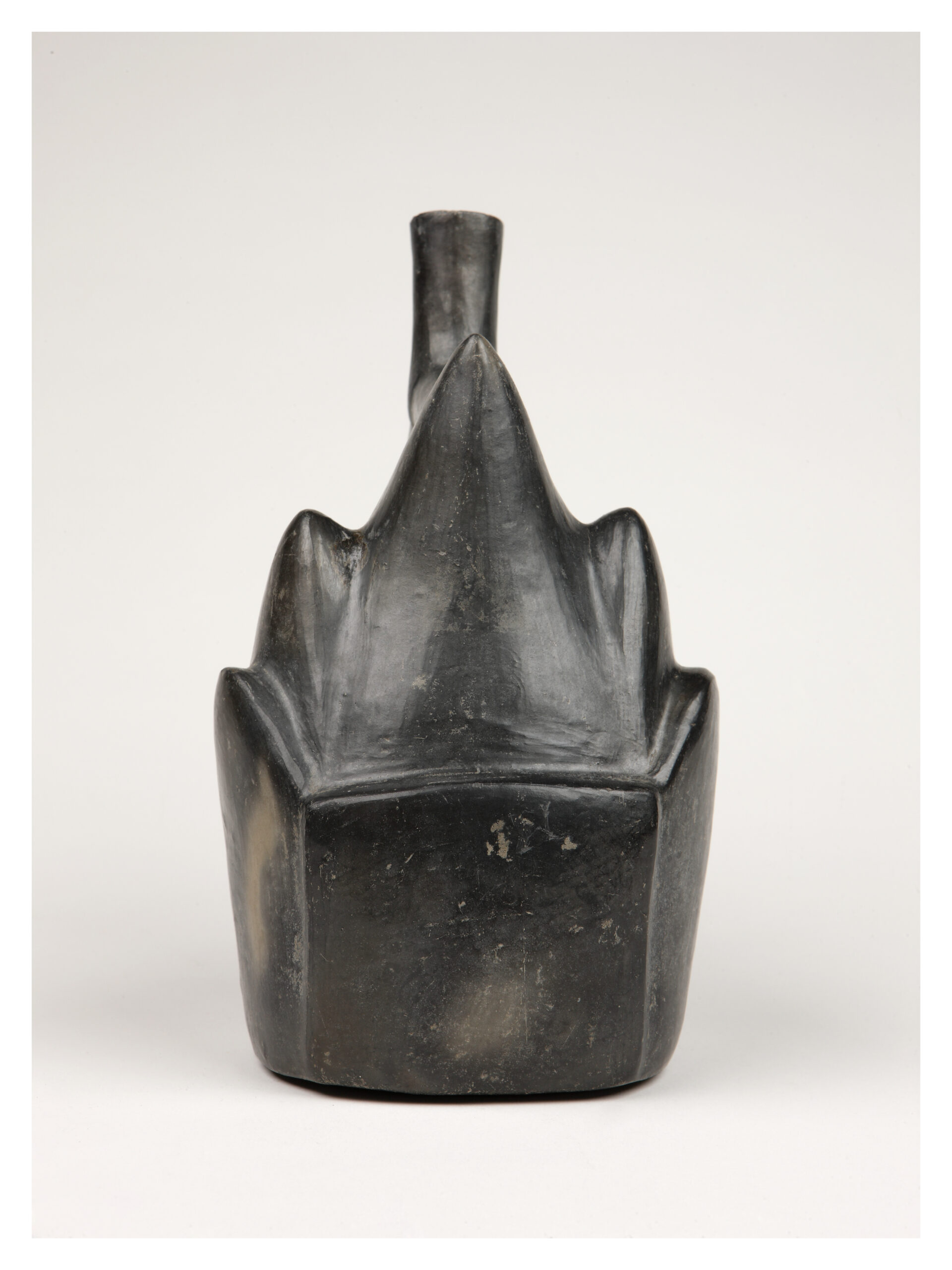
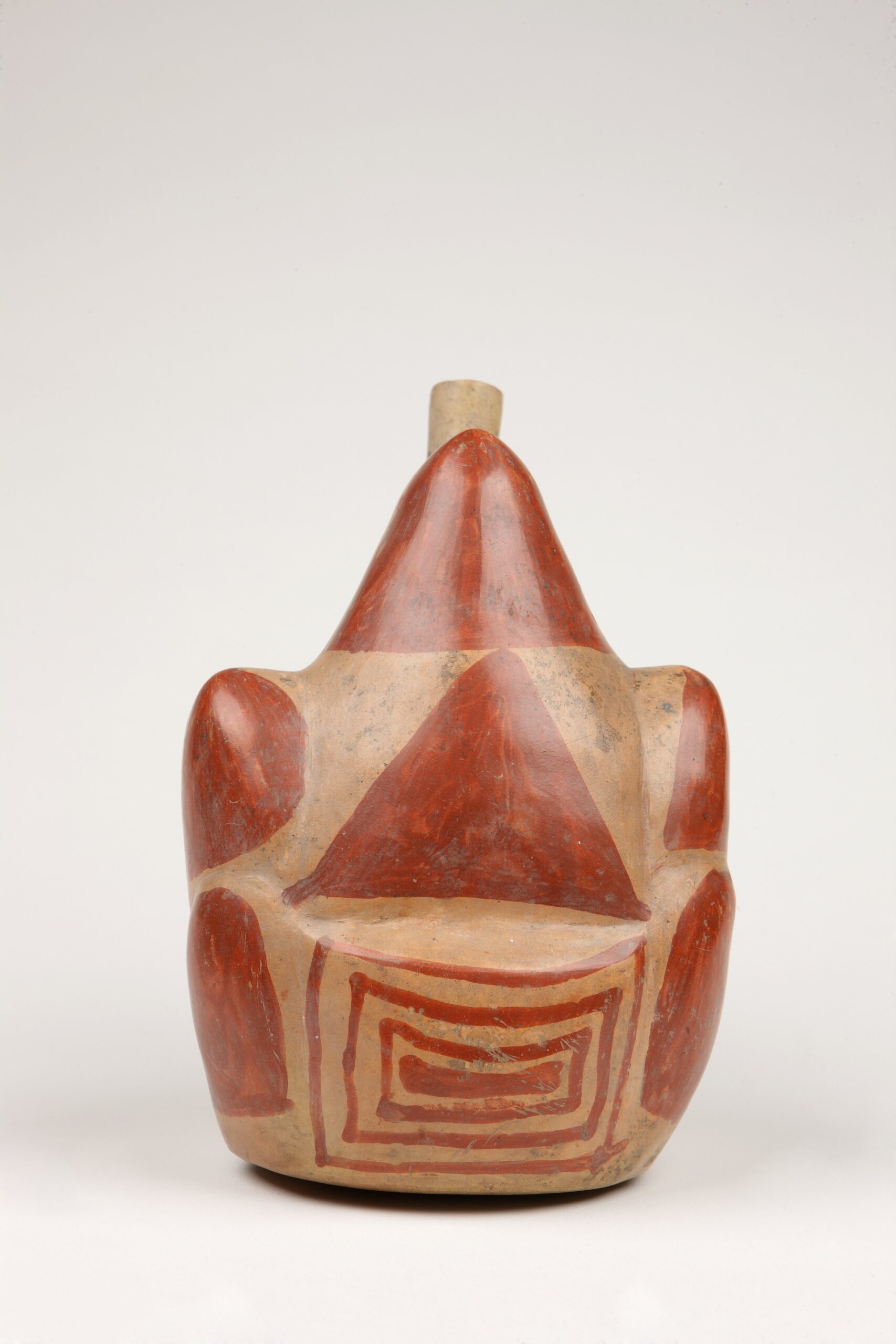
La botella muestra una cadena de montañas y una construcción articuladas a través de un pliegue que afirma la continuidad material y conceptual de ambas tanto en su modelado como en la realidad concreta del territorio. El pliegue no solo soluciona el problema de componer en una única forma varios temas o puntos de vista; es sobre todo un dispositivo general para entender la relación entre las cosas. Aun en la diferencia, asegura una relación de continuidad en la naturaleza de tal modo que el tránsito de una entidad a otra, de un lugar a otro es siempre posible. Esta percepción de unidad absoluta de seres y cosas ha existido desde siempre en la cultura de los Andes Centrales, abrigada por los cerros tutelares, y hoy se presenta imprescindible para superar los retos de convivencia en medio de la necesidad de extremar el cuidado del planeta.
Radicalmente abstractos, como en otros objetos de la cultura moche, el paisaje y la arquitectura se manifiestan en la botella negra sin elementos narrativos ni personajes dibujados o adosados. Una síntesis del mundo vacía o vaciada, disponible para la representación y la habitación, se condensa en el ceramio, abierta a las ideas y la imaginación. El pliegue, desdoblando el carácter unificador de la cordillera, conecta afectos a través de espacios y tiempos e invita, incluso en la dificultad, a construir casas y ciudades entre las montañas y los cerros.
- Vistas de una botella Mochica con representación de montaña de la colección MALI
- Vistas de una botella Mochica con representación de montaña de varios picos y diseño geométrico de la colección MALI
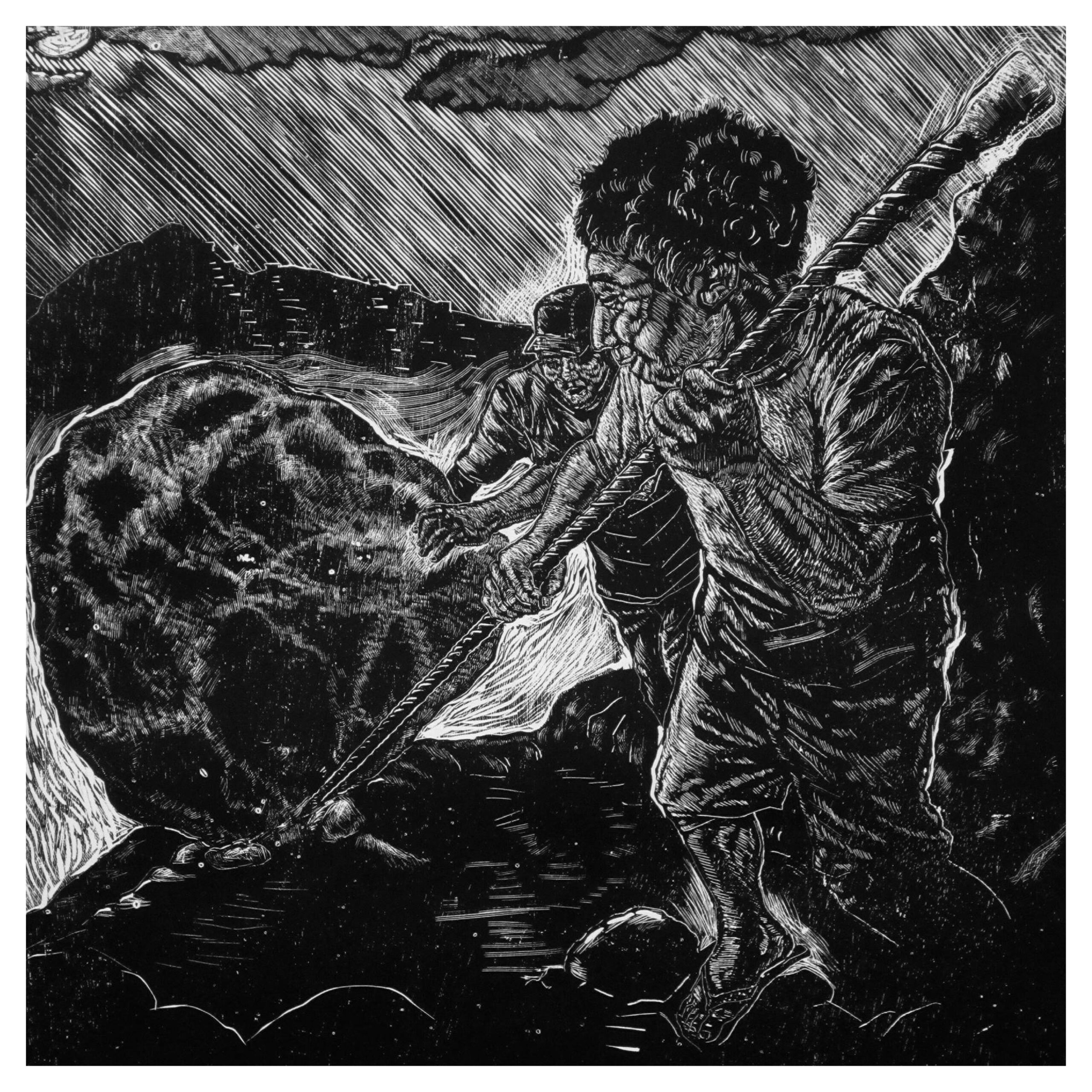
- Vencer la pedra 1. Luis Torres Villar
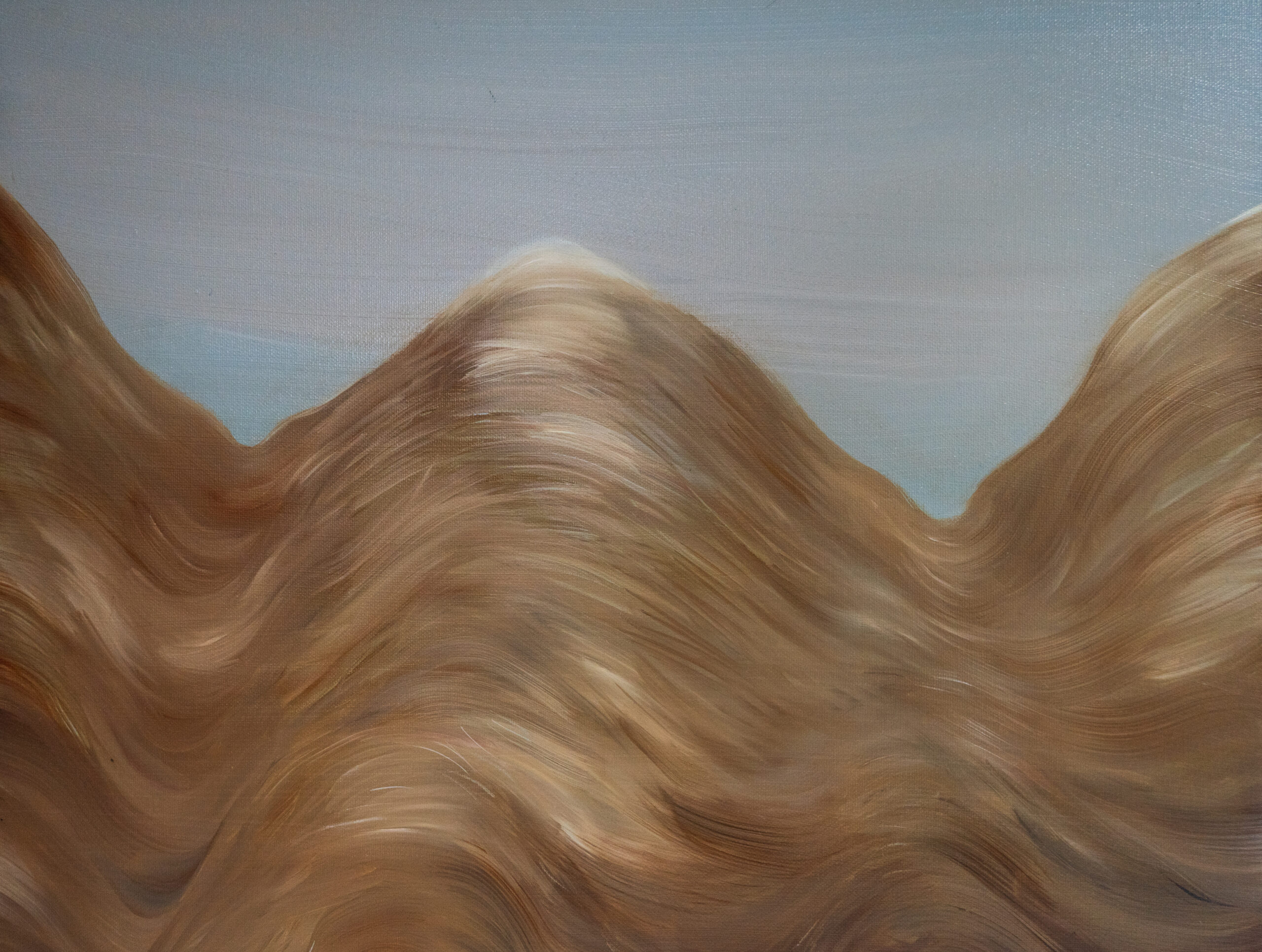
- Horizontes de la serie Volvamos. Sylvia Fernández
- Fragmentos de Estructura II. Samuel Chambi
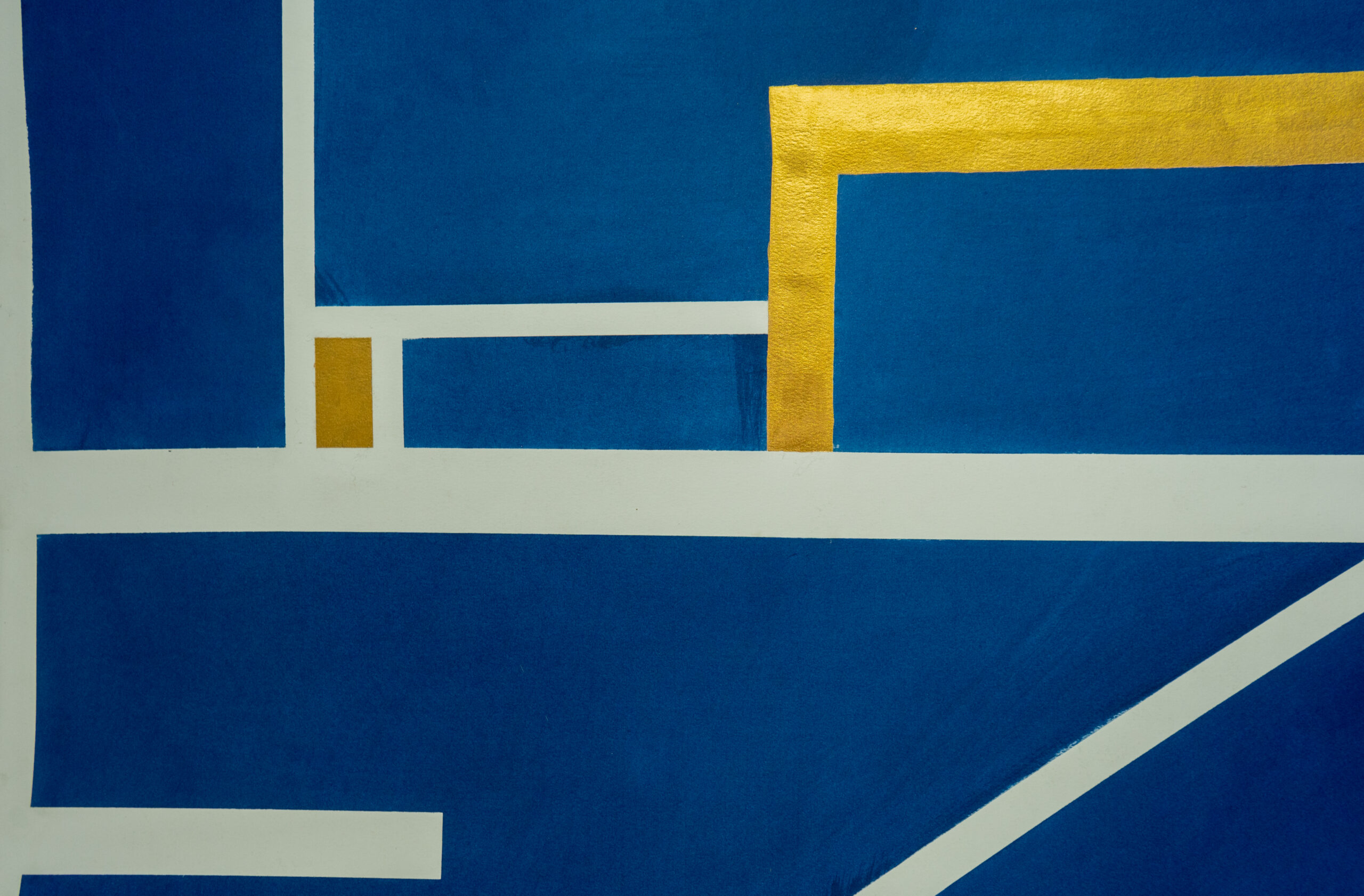
Mountains and folds. Notes on a moche bottle proposes a reflection on the forms we shape in order to depict the world, and the devices we use to provide meaning to the objects we build. The exhibition gathers more than seventy objects that shine light on the depiction of territory, the paths undertaken upon it and the traces we leave on its surface, under the appearance of architectures that are created with the purpose of giving us shelter. The installations, paintings, photographs, models, sculptures, blueprints and archival documents on show approach territory from a general and abstract standpoint, when they are not specific attempts to capture Peru. All of the pieces are in conversation, in one way or another, with the black stirrup-spout bottle that sparked our disquisitions.
The bottle depicts a mountain range and a building, connected by a fold that establishes the material and conceptual continuity between both, in their shape as well as in the concrete reality of the territory. The fold not only provides a solution to the question of how to compose in a single form several topics or points of view; it is, above all else, a general device for understanding the relationship between things. Even in difference, it ensures a relationship of continuity in nature that allows for the constant possibility of the transit of one entity to another, from one place to another. This notion of the absolute unity between beings and things has always been a part of the culture of the central Andes, protected by tutelary mountains, and today it presents itself as an essential element in the recovery of the challenges of coexistence, in a context in which it is urgent to step up our care for the planet.
On the black bottle, landscape and architecture appear as radically abstract, just like in other objects pertaining to the Moche culture: devoid of narrative elements and of any painted or affixed characters. An empty, or emptied out, synthesis of the world, available for representation and inhabitation, is condensed in this piece of pottery, open to ideas and imagination. The fold, unfolding the unifying character of the mountain range, connects relationships between spaces and times, and encourages – even in moments of hardship – building houses and cities between mountains and hills.